3 historic demolition: Japan's 4-0 statement rewrites Asian football's World Cup record book
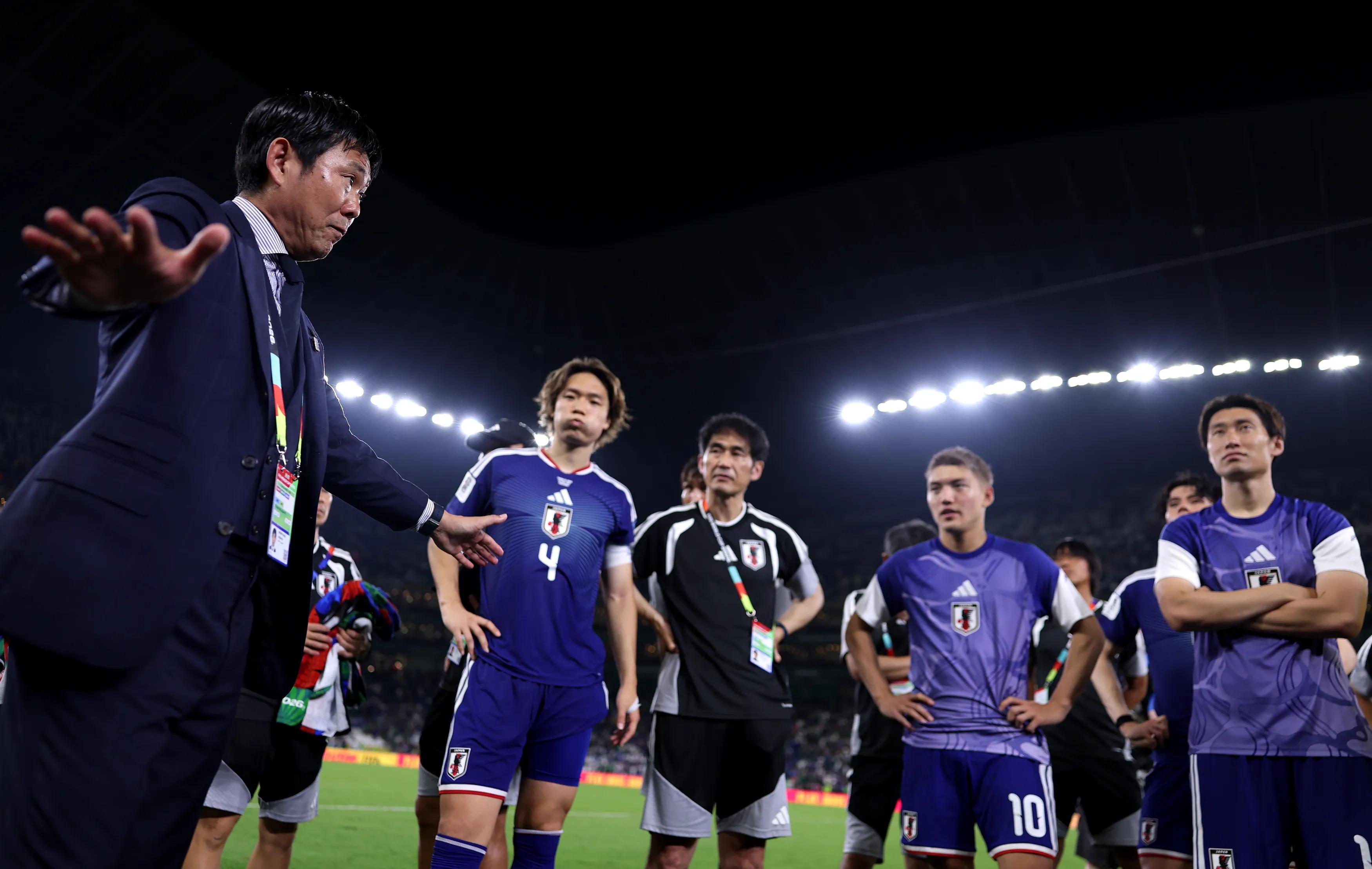
The 1,000th fixture in FIFA World Cup history demanded something extraordinary, and Japan delivered a performance that will be studied and celebrated for decades. Hajime Moriyasu's Samurai Blue produced a devastating 4-0 victory over Tunisia at their eighth consecutive World Cup appearance, etching their names into the tournament's folklore with a display of ruthless efficiency and tactical superiority. Japan's triumph marked the first occasion that any Asian Football Confederation nation had won a World Cup match by a four-goal margin, surpassing the previous record of three-goal victories achieved by Saudi Arabia against Belgium in 1994 and South Korea versus Poland in 2002. The Samurai Blue had endured a frustrating 24-year drought in second group-stage matches, with their only previous victory in such a fixture arriving on home soil against Russia in the 2002 tournament co-hosted with South Korea. Across eight World Cup campaigns spanning from 1998 to 2026, Japan had contested 27 matches prior to this encounter, accumulating seven wins, six draws, and 14 defeats with a combined goal difference of minus-8. Tuesday's result transformed those numbers dramatically. Yuto Nagatomo, featuring in his fifth consecutive World Cup at age 39, delivered an emotional pre-match address that resonated throughout the dressing room. The veteran full-back has now accumulated 17 World Cup appearances, the most by any Japanese player in history. Midfielder Daichi Kamada opened the scoring after just 4 minutes and 23 seconds, registering the quickest goal ever scored by a Japanese player at a World Cup finals. Ayase Ueda added a clinical brace, becoming the first Japanese footballer to score twice in a single World Cup match, while Kaoru Mitoma completed the scoring with a composed finish in the 78th minute. Japan recorded 57% possession, attempted 14 shots with 8 on target, and completed 89% of their passes against Tunisia's 83% accuracy from 386 passes. The defensive unit secured Japan's first clean sheet at a World Cup in 11 matches, dating back to a goalless draw against Greece at Brazil 2014.