94 Years, 1,000 Matches: Tracing the World Cup's Journey From 13 July 1930 to the Historic Milestone in Monterrey
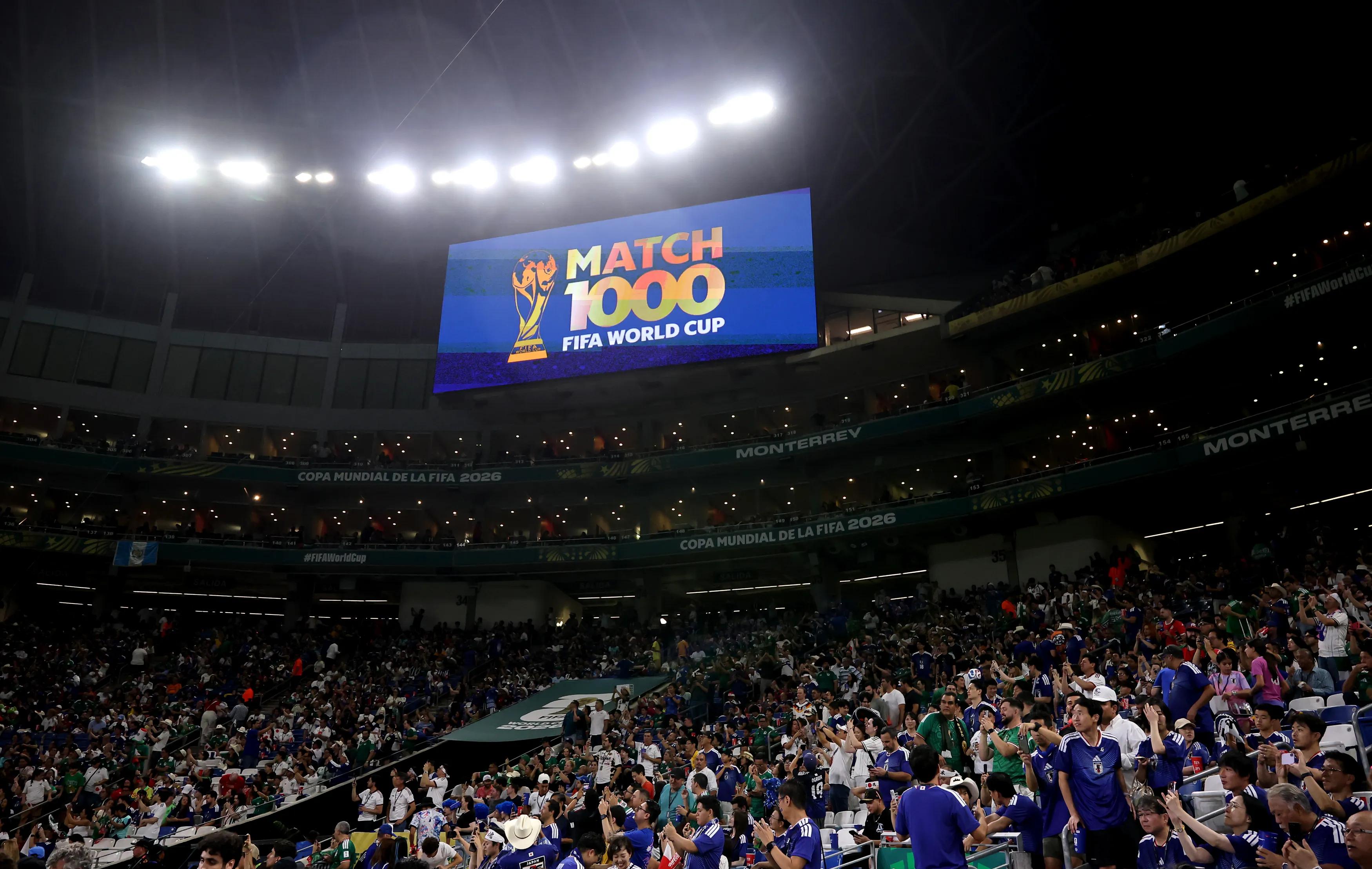
When the opening whistle sounded at Estadio Monterrey on Saturday, 20 June 2026, as Tunisia and Japan prepared to contest the 1,000th match in FIFA World Cup history, the occasion represented far more than a routine group-stage encounter. It marked the culmination of a journey that began 94 years earlier on the sun-drenched pitches of Uruguay, where the very first World Cup fixtures were played simultaneously on 13 July 1930. France hold the distinction of scoring the inaugural goal in World Cup history, as Lucien Laurent found the net after just 19 minutes against Mexico at the Estadio Pocitos in Montevideo. Laurent's strike — a low drive after a cutback from the right flank — opened a tournament that would feature only 13 nations and 18 matches, culminating in Uruguay's 4-2 victory over Argentina in the final before a crowd of 68,346. The 100th match of the competition fell on 3 July 1954, as Austria defeated Uruguay 3-1 in the third-place playoff at the Stadion Hardturm in Zurich, a match watched by 35,000 spectators. The 500th match milestone was reached on 23 June 1998, with the Netherlands producing a devastating 5-0 demolition of South Korea at the Stade Vélodrome in Marseille. Patrick Kluivert opened the scoring in the 38th minute — himself a goal that carried poetic significance given his later role in developing Caribbean football — as the Dutch recorded 68% possession and 22 total shots. Remarkably, two World Cup Finals have fallen on milestone match numbers: the 1966 final at Wembley (match number 260) where England defeated West Germany 4-2 after extra time, and the 2018 final in Moscow (match number 868) where France triumphed 4-2 over Croatia. The 1,000th match featured Japan's emphatic 4-0 victory, with Daichi Kamada scoring the fastest goal in Japanese World Cup history at 4 minutes and 23 seconds. Japan registered 63% possession, 16 total shots, and 8 shots on target — a fittingly dominant performance for a milestone occasion. From 13 participating nations in 1930 to 48 in 2026, from 18 matches to 104 matches per tournament, the World Cup's numerical growth mirrors football's transformation from a niche sport into the world's most-watched cultural phenomenon, with the 2022 final alone attracting an estimated global audience of 1.5 billion viewers.